· News
Parents’ evening: three ways to talk about reading and spelling
Parents’ evening coming up? Natalie shares three practical ways to discuss reading and spelling, explain difficulties at home and agree clear next steps.
Blog
· News
Parents’ evening coming up? Natalie shares three practical ways to discuss reading and spelling, explain difficulties at home and agree clear next steps.

· News
BBC Teach has gathered free films and articles about dyslexia, many told by children, for Dyslexia Awareness Month. Ideas for watching and talking together.
· News
Children with dyslexia were overlooked in reading priorities. Explore Parliament's findings, accessible stories and practical ideas for your family to try.
· News
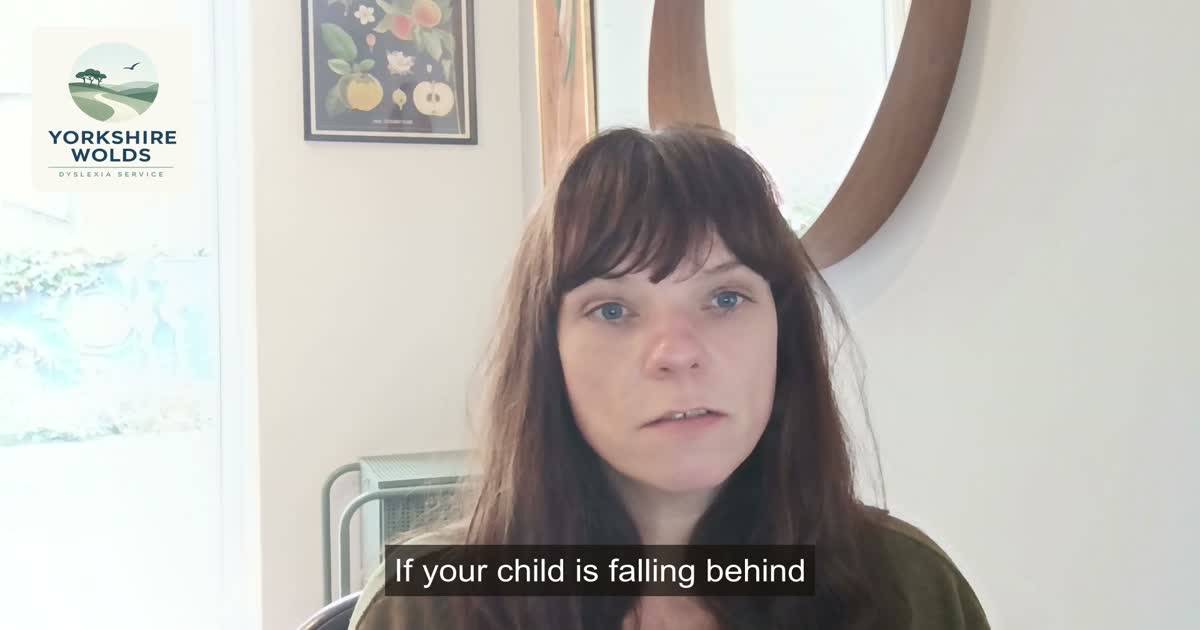
Your child can explore reading and spelling support without waiting for a dyslexia diagnosis. Natalie explains DALP placement screening and the next steps.
· News
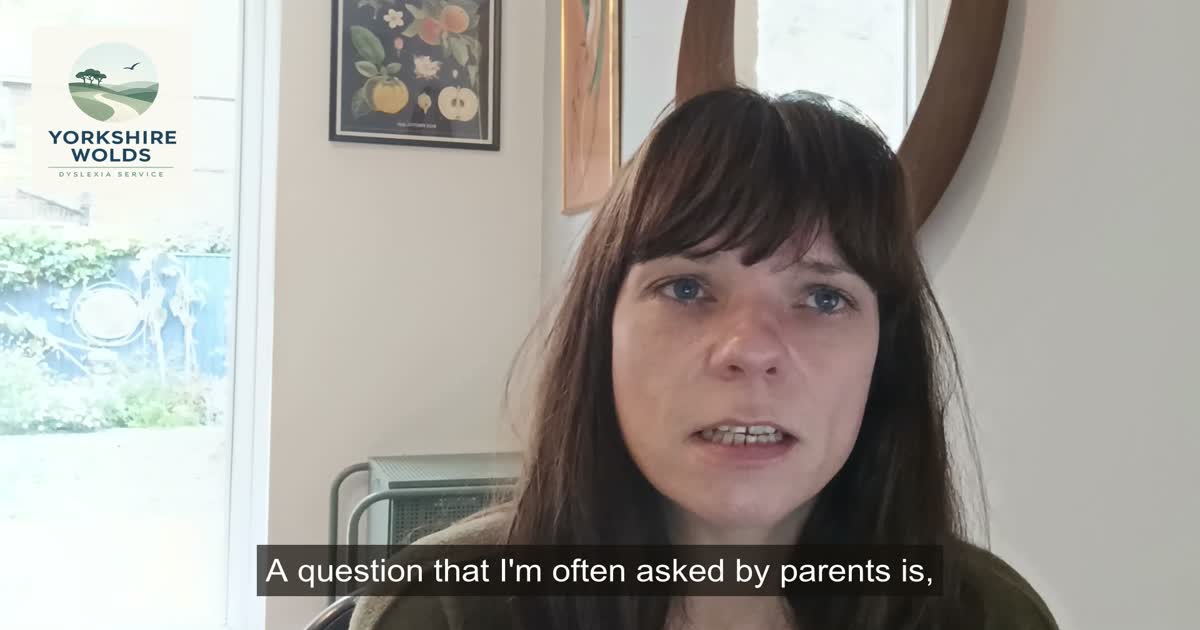
What comes after a dyslexia diagnosis? Natalie explains four foundations of targeted reading and spelling support, with a captioned video for parents at home.

· News
Free BDA resources to help primary schools and families talk about different ways of learning, plus social media graphics for Dyslexia Awareness Week.

· News
Yorkshire Wolds Dyslexia Service now has its own Facebook page and Instagram account. Follow along for new posts, tips for home and updates.

· Research
The Reading Agency looks past the headlines about a reading crisis to what the evidence says actually helps children fall in love with reading.

· News
2026 is the National Year of Reading, a national campaign from the Department for Education and the National Literacy Trust to help children and families rediscover the fun of reading.

· Research
The National Literacy Trust’s latest survey of 125,375 children and young people finds writing enjoyment rising a little, but writing for fun is still rare, especially in the teenage years.

· Research
Speech and Language Link published a clear piece by Rachel McMullen of the British Dyslexia Association on the ground that dyslexia and spoken language difficulties share, and where the two part company.

· News
Dyslexia Awareness Week runs from 5 to 11 October, and the British Dyslexia Association is looking at how dyslexia plays out at work, which matters more for younger children than it first appears.

· Research
More than a million young people aged 16 to 24 in England were not in education, employment or training at the start of this year, and a new British Dyslexia Association report asks how many of them are dyslexic.

· News
The proposed SEND reforms have generated plenty of discussion, but one important question has received far less attention than it deserves: where do specific learning difficulties actually fit in the new framework?

· News
The British Dyslexia Association has published a new analysis of Department for Education data, and its title says it all: GCSE attainment: A decade without progress.

· Research
A major study from Durham University and the University of Oxford looked at over 540,000 Year 6 pupils across 14,800 schools in England and asked a simple question: which children get identified with a specific learning difficulty, and which get missed?

· News
A new report from the British Dyslexia Association found that although around 900,000 schoolchildren in England have dyslexia, fewer than 2% of local authorities could say how many dyslexic children live in their area.

· News
Schools Week has reported on an interim study by the National Foundation for Educational Research into how pupils with special educational needs and disabilities are spread across England's schools. The short version: very unevenly, and the gap is growing.
Worth reading
Research
The 2024 Delphi definition was a real step forward in how we talk about dyslexia, and this commentary reflects honestly on what it gets right, and what still needs work, from prevalence rates to how schools should put it into practice. Our understanding of dyslexia is still evolving, and staying current with the research shapes how I assess and teach.
Read the paperScience
An accessible read on why there is no single 'cause' of dyslexia. Genetics, brain development, sound processing and environment all interact, and research suggests there may even be distinct subtypes. This is exactly why I take a holistic view of every child: no two dyslexic learners are the same, and the right support should reflect that.
Read the article