Services
Dyslexia assessment, 1-to-1 tuition and school support
Clear pricing, structured approaches, and reports you can act on.
Learning Needs Assessment £300 · ages 6–15
A Learning Needs Assessment is a dyslexia and literacy assessment for your child. Standardised, psychometric assessments help identify barriers to learning in school and enable intervention to be targeted effectively to your child's needs and abilities.
An LNA takes approximately two hours and enables me to hypothesise why your child might have difficulty with progress, attainment, achievement or attendance. You receive a report detailing your child's strengths and areas for development, an analysis of barriers to learning, and recommendations and strategies to make learning more accessible. It does not offer a diagnosis.
Areas assessed (depending on age)
- Memory
- Phonological awareness
- Processing speed
- Reading
- Writing
- Handwriting
- Comprehension
- Expressive & receptive language
1-1 Literacy Intervention £50/hour · ages 7–16
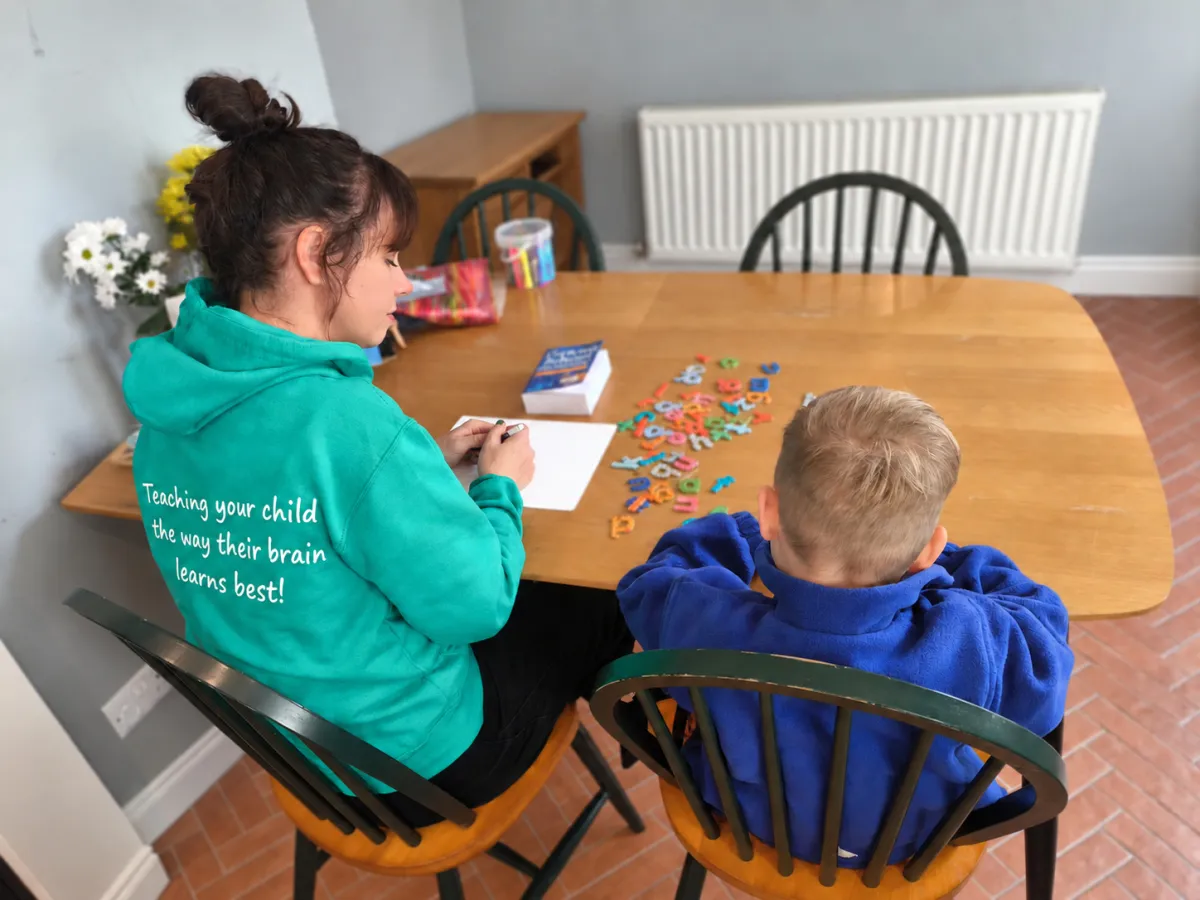
Specialist 1-to-1 tuition (structured literacy intervention): standard, evidence-based support for children experiencing literacy difficulties, in-person, hour-long sessions that are cumulative, individually tailored, structured and multi-sensory, using the DALP framework with children aged 7–16.
Getting started
The first session uses the DALP's Diagnostic Placement Screening to identify gaps in knowledge and create a targeted plan.
What the DALP covers
The DALP framework focuses on phonemic awareness, coding subskills (syllable types and grapheme–phoneme correspondence), punctuation and syntax, suffixing, coding attack patterns, and metacognition, helping a learner understand how they think and learn.
Coming soon
Full diagnostic dyslexia assessment
Formal diagnostic assessments are in preparation. Join the mailing list or get in touch to be notified.
Plain answers
Is this a diagnostic dyslexia assessment?
A Learning Needs Assessment tells you where your child's strengths are, what is getting in the way of their learning, and what to do next. The written report sets out an analysis of the barriers, along with recommendations and strategies you can act on. Parents find it useful for conversations with school, and schools find it useful when they are planning support.
What it is not is a formal diagnosis of dyslexia. Full diagnostic dyslexia assessments are in preparation, and are not available yet. If that is what you are looking for, please get in touch and I will let you know as soon as they open.
In the meantime, there is plenty you can do. The assessment report can be shared with your child's school and used to shape the support they put in place. You may also find the local SEND support page helpful, which lists East Riding services for families, and you are welcome to get in touch for a free call to talk your situation through.
For schools
Staff support & training
1-1 consultancy: £50/hour
For SENDCos, senior leadership teams, teachers and parents:
- Advice and informal discussion about individual pupils
- Advice about assessment, interventions and strategies
- Classroom and intervention observations with feedback
- Modelling interventions, resources and approaches
- Support with the Graduated Response (Assess, Plan, Do, Review)
- Response-to-intervention planning
Training for schools: bespoke, costing negotiable
- Dyslexia and literacy-related difficulties
- Dyslexia and SLCN
- Speech, Language and Communication Needs
- Memory
- Supporting learners who have EAL
Bespoke content available on request. Tell me what your staff need.
Discuss trainingFAQ
Common questions
How much does an assessment cost?
A Learning Needs Assessment is £300. That is a one-off fee for the two-hour assessment and the written report that follows it.
What ages do you work with?
Learning Needs Assessments are for children aged 6 to 15. Specialist 1-to-1 tuition, the structured literacy intervention, is for children and young people aged 7 to 16.
How long does an assessment take, and what do I get?
The assessment takes approximately two hours. You receive a report detailing your child's strengths and areas for development, an analysis of barriers to learning, and recommendations and strategies to make learning more accessible.
Is a Learning Needs Assessment a diagnosis of dyslexia?
No, it does not offer a diagnosis. It identifies strengths, barriers to learning and what would help. Full diagnostic dyslexia assessments are in preparation, so please get in touch if you would like to be told when they open.
Where do sessions happen, and can they be in school time?
Sessions are delivered in person, one to one. I am glad to work in partnership with schools and coordinate directly with school timetables, so sessions can be built into the school day at a mutually convenient time.
How do I get started?
Book a free 15-minute call, by phone or video, and tell me what you are looking for. There is no obligation.